by SompitMekmok | Oct 23, 2024 | ทั่วไป อื่นๆ, แนะนำสินค้าและบริการ
ไม้จาโตบา: สร้างบ้านสวย ทนทาน ป้องกันปลวก พื้นแข็งแรง ยืนยาว
ไม้จาโตบา (Jatoba Wood) นับเป็นหนึ่งในไม้เนื้อแข็งที่มีคุณสมบัติโดดเด่นหลายประการ ทำให้เป็นตัวเลือกที่น่าสนใจสำหรับการสร้างบ้าน โดยเฉพาะอย่างยิ่งในด้านความสวยงาม ความแข็งแรงทนทาน และที่สำคัญคือความสามารถในการป้องกันปลวกและแมลง ทำให้บ้านของคุณปลอดภัยจากปัญหาเหล่านี้ได้อย่างยาวนาน
ป้องกันปลวกได้อย่างมีประสิทธิภาพ
หนึ่งในคุณสมบัติเด่นของไม้จาโตบาคือความสามารถในการป้องกันปลวกและแมลงได้เป็นอย่างดี เนื่องจากไม้จาโตบามีสารธรรมชาติที่ช่วยยับยั้งการเจริญเติบโตของปลวกและแมลง ทำให้บ้านที่สร้างจากไม้จาโตบาสามารถป้องกันปัญหาปลวกได้อย่างมีประสิทธิภาพ ลดความกังวลเรื่องการซ่อมแซมและค่าใช้จ่ายที่ตามมา
พื้นไม้จาโตบา แข็งแรง ทนทาน สวยงาม
นอกจากการป้องกันปลวกแล้ว ไม้จาโตบายังเหมาะอย่างยิ่งสำหรับการทำพื้นบ้าน เนื่องจากมีความแข็งแรงทนทานต่อการสึกหรอและการขีดข่วน ทำให้พื้นไม้จาโตบามีอายุการใช้งานที่ยาวนาน สีสันของไม้จาโตบาที่เป็นธรรมชาติและมีลวดลายที่สวยงาม ยังช่วยเพิ่มความสวยงามให้กับบ้านของคุณได้อีกด้วย
เหตุผลที่ควรเลือกไม้จาโตบาสำหรับพื้นบ้าน
- ความแข็งแรง: ทนทานต่อแรงกดและแรงกระแทก เหมาะสำหรับพื้นที่ที่มีการใช้งานหนัก
- ความทนทาน: ทนต่อการสึกหรอและการขีดข่วน ทำให้อายุการใช้งานยาวนาน
- ความสวยงาม: สีสันและลวดลายของไม้ที่เป็นธรรมชาติ ช่วยเพิ่มความสวยงามให้กับบ้าน
- ป้องกันปลวก: สารธรรมชาติในไม้ช่วยป้องกันปลวกและแมลง
- เสถียรภาพ: ไม่บวมหรือหดตัวง่ายเมื่อสัมผัสกับความชื้น
สรุป
ไม้จาโตบาเป็นวัสดุที่น่าสนใจสำหรับผู้ที่ต้องการสร้างบ้านที่สวยงาม ทนทาน และปลอดภัยจากปัญหาปลวก ด้วยคุณสมบัติที่โดดเด่นทั้งในด้านความแข็งแรง ความทนทาน และความสวยงาม ทำให้ไม้จาโตบากลายเป็นตัวเลือกอันดับต้นๆ สำหรับการสร้างบ้าน โดยเฉพาะอย่างยิ่งสำหรับการทำพื้นบ้าน ไม้จาโตบาจะช่วยให้บ้านของคุณดูสวยงามและมีอายุการใช้งานที่ยาวนาน
หากคุณกำลังมองหาวัสดุที่นำมาสร้างบ้านและต้องการความสวยงามที่เป็นเอกลักษณ์พร้อมความแข็งแรงทนทาน และป้องกันปลวกได้อย่างมีประสิทธิภาพ ไม้จาโตบาคือคำตอบที่คุณกำลังมองหา
by Y | Oct 22, 2024 | ข่าวสารเว็บไซต์, ข่าวโปรโมชั่น, สุขภาพ, ออนไลน์น่ารู้, แนะนำสินค้าและบริการ
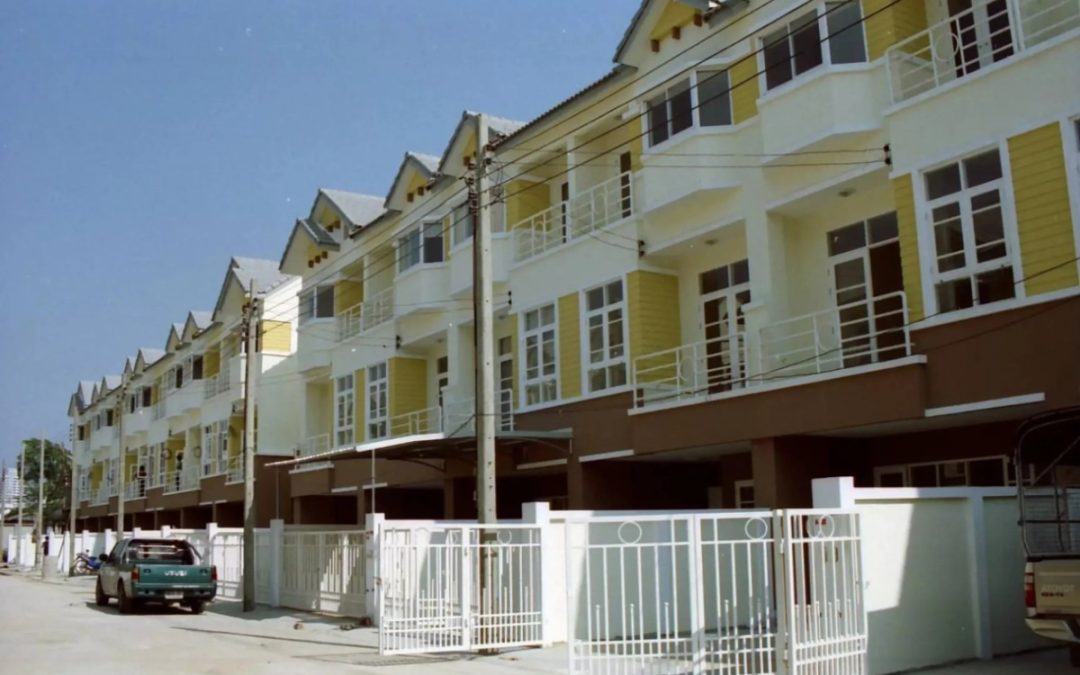
ระบบจัดการขยะในบ้านทาวน์โฮม
การจัดการขยะในบ้านทาวน์โฮมเป็นเรื่องสำคัญที่ไม่ควรมองข้าม เนื่องจากบ้านประเภทนี้มักมีพื้นที่จำกัด และการจัดการที่ดีสามารถช่วยลดปัญหาสิ่งแวดล้อมและสร้างบรรยากาศที่สะอาดภายในบ้านได้
ระบบจัดการขยะที่มีประสิทธิภาพสามารถแบ่งออกเป็นขั้นตอนต่าง ๆ

การคัดแยกขยะ
การคัดแยกขยะเป็นขั้นตอนแรกที่สำคัญในการจัดการขยะในบ้านทาวน์โฮม โดยทั่วไปสามารถแบ่งขยะออกเป็น 3 ประเภทในการแยกขยะของโครงการบ้านนนทบุรี
ขยะทั่วไป: ขยะที่ไม่สามารถรีไซเคิลได้ เช่น ถุงพลาสติก บรรจุภัณฑ์อาหาร เป็นต้น
ขยะรีไซเคิล: ขยะที่สามารถนำกลับมาใช้ใหม่ได้ เช่น กระดาษ พลาสติก แก้ว และโลหะ
ขยะอันตราย: ขยะที่มีสารพิษ เช่น แบตเตอรี่ ยาฆ่าแมลง ซึ่งต้องการการจัดการเป็นพิเศษ
การติดป้ายและการให้ความรู้สมาชิกในบ้านเกี่ยวกับการคัดแยกขยะจะช่วยให้กระบวนการนี้มีประสิทธิภาพมากขึ้น
การจัดเก็บขยะ
การมีพื้นที่จัดเก็บขยะที่เหมาะสมเป็นสิ่งจำเป็น โดยสามารถทำได้ดังนี้
ถังขยะแยกประเภท: การใช้ถังขยะที่มีหลายช่องสำหรับแยกขยะประเภทต่าง ๆ จะช่วยให้การคัดแยกทำได้ง่ายขึ้น
การเลือกวัสดุที่เหมาะสม: ควรใช้ถังขยะที่มีฝาปิดเพื่อป้องกันกลิ่นและแมลง
การกำหนดพื้นที่จัดเก็บ: ควรมีพื้นที่จัดเก็บขยะที่อยู่ห่างจากพื้นที่ใช้สอยหลัก เพื่อรักษาความสะอาด
การกำจัดขยะ
การกำจัดขยะในบ้านทาวน์โฮมสามารถทำได้หลายวิธี
การทิ้งขยะตามวันกำหนด: ตรวจสอบตารางการเก็บขยะในพื้นที่ที่อยู่อาศัย เพื่อให้แน่ใจว่าขยะถูกนำไปทิ้งอย่างถูกต้อง
การรีไซเคิล: หากมีบริการรีไซเคิลในพื้นที่ สามารถนำขยะรีไซเคิลไปส่งที่จุดรับรีไซเคิลได้
การจัดการขยะอันตราย: ควรติดต่อหน่วยงานที่รับจัดการขยะอันตรายเพื่อกำจัดอย่างปลอดภัย
การลดการเกิดขยะ
การลดการเกิดขยะเป็นแนวทางที่ดีที่สุดในการจัดการขยะ ซึ่งสามารถทำได้โดย
การใช้วัสดุที่สามารถนำกลับมาใช้ใหม่: เช่น กระเป๋าผ้า แก้วน้ำที่ใช้ซ้ำ
การลดการใช้พลาสติก: หลีกเลี่ยงการใช้ผลิตภัณฑ์ที่มีบรรจุภัณฑ์พลาสติกมากเกินไป
การทำอาหารที่บ้าน: ลดการซื้ออาหารที่บรรจุในบรรจุภัณฑ์ซึ่งเป็นขยะ
สรุป
ระบบจัดการขยะในโครงการบ้านนนทบุรีเป็นสิ่งสำคัญที่ช่วยให้บ้านสะอาดและลดผลกระทบต่อสิ่งแวดล้อม การคัดแยก การจัดเก็บ และการกำจัดขยะอย่างมีประสิทธิภาพ รวมถึงการลดการเกิดขยะ จะช่วยสร้างสภาพแวดล้อมที่ดีสำหรับทุกคนในบ้าน และส่งเสริมความรับผิดชอบต่อสังคมและสิ่งแวดล้อมได้อย่างยั่งยืน
การเตรียมตัวและการวางแผนอย่างรอบคอบจะช่วยให้การซื้อบ้านหลังแรกเป็นประสบการณ์ที่ราบรื่นและมีความสุขมากขึ้น ทั้งนี้การศึกษาและทำความเข้าใจในทุกขั้นตอนจะช่วยให้คุณตัดสินใจได้อย่างมั่นใจและป้องกันปัญหาที่อาจเกิดขึ้นในอนาคตเช่นโครงการบ้านนนทบุรี
การเตรียมตัวก่อนซื้อบ้านอย่างรอบคอบจะช่วยให้คุณสามารถตัดสินใจได้อย่างมั่นใจและลดความเสี่ยงที่อาจเกิดขึ้นในระหว่างการซื้อและการอยู่อาศัยในบ้านใหม่ของคุณ ดังนั้นเราควรมีโครงการบ้านนนทบุรีที่ครบครันเช่น ..
ตอบโจทย์ชีวิตของคุณ ด้วยโครงการบ้าน ทาวน์โฮม นนทบุรี VISION GROUP เล็งเห็นประสิทธิภาพของทำเลทองนนทบุรี เมื่อเมืองได้ขยายไปยังนนทบุรี เป็นย่านที่มี Facility ที่ครบวงจร ทั้งห้างสรรพสินค้า โรงพยาบาล โรงเรียน รถไฟฟ้าสีม่วง และสถานที่อื่นๆ อีกมากมายที่ทำให้เกิดความสะดวกสบายในการใช้ชีวิต เรามีหลายโครงการให้เลือก พร้อมสิ่งอำนวยความสะดวกที่ครบครัน
ติดต่อเรา
บริษัท วิชั่นสมาร์ทซิตี้ จำกัด
78/260 ม. 5 ถ. บางกรวย – กรุงเทพ
ตำบล บางบัวทอง อำเภอ บางบัวทอง นนทบุรี 11110
 โทร : 02-149-1234
by SompitMekmok | Oct 22, 2024 | ทั่วไป อื่นๆ, แนะนำสินค้าและบริการ
กอนซาโล: ไม้แข็งแกร่งที่ยืนหยัดเคียงข้างบ้านคุณ
กอนซาโล ไม้เนื้อแข็งจากป่าเขตร้อนชนิดหนึ่ง ที่ขึ้นชื่อเรื่องความแข็งแรงทนทานเป็นอย่างมาก จึงเป็นที่นิยมนำมาใช้ในการก่อสร้างและตกแต่งบ้านมาช้านาน ความแข็งแกร่งของไม้กอนซาโลนั้นเปรียบเสมือนป้อมปราการที่คอยปกป้องบ้านของคุณให้คงอยู่ได้นานหลายปี
ทำไมไม้กอนซาโลถึงแข็งแรงทนทาน
- เนื้อไม้ละเอียดแน่น: โครงสร้างของเนื้อไม้กอนซาโลมีความละเอียดและแน่นหนา ทำให้มีความแข็งแรงสูง ทนทานต่อแรงกระแทก และไม่ง่ายต่อการบิดเบี้ยว
- ความชื้นไม่เข้าถึงง่าย: ธรรมชาติของไม้กอนซาโลมีความสามารถในการป้องกันความชื้นได้ดี ทำให้ไม่เกิดปัญหาเรื่องการบวมหรือการหดตัวเมื่อสัมผัสกับความชื้น
- ทนต่อแมลงและเชื้อรา: ไม้กอนซาโลมีสารธรรมชาติที่ช่วยป้องกันการกัดกินของแมลงและเชื้อรา ทำให้ไม้คงสภาพเดิมได้นาน
- ทนต่อสภาพอากาศ: ไม่ว่าจะเป็นแดด ฝน หรือลม ไม้กอนซาโลก็สามารถทนทานได้เป็นอย่างดี เหมาะสำหรับการใช้งานทั้งภายในและภายนอกอาคาร
ความลับที่ทำให้ไม้กอนซาโลเป็นที่นิยม
นอกจากความแข็งแรงทนทานแล้ว ไม้กอนซาโลยังมีเสน่ห์ดึงดูดใจอีกมากมาย ทำให้เป็นที่นิยมใช้ในการตกแต่งภายใน
- ลวดลายสวยงาม: ไม้กอนซาโลมีลวดลายที่เป็นเอกลักษณ์ สวยงาม และมีความหลากหลาย ทำให้สามารถนำไปออกแบบตกแต่งได้หลากหลายสไตล์
- สีสันอบอุ่น: สีของไม้กอนซาโลมักจะเป็นสีน้ำตาลเข้มหรือสีแดงอมน้ำตาล ซึ่งให้ความรู้สึกอบอุ่นและเป็นธรรมชาติ
- เพิ่มมูลค่าให้กับบ้าน: การใช้เฟอร์นิเจอร์หรือของตกแต่งที่ทำจากไม้กอนซาโล จะช่วยเพิ่มความหรูหราและมูลค่าให้กับบ้านของคุณ
- ความคงทนยาวนาน: ด้วยความแข็งแรงทนทาน ไม้กอนซาโลจึงสามารถใช้งานได้ยาวนานหลายปี ทำให้คุณไม่ต้องกังวลเรื่องการเปลี่ยนใหม่บ่อยครั้ง
การนำไม้กอนซาโลมาใช้ในบ้าน
ไม้กอนซาโลสามารถนำมาใช้ในการตกแต่งบ้านได้หลากหลายรูปแบบ เช่น
- เฟอร์นิเจอร์: โต๊ะ เก้าอี้ เตียง ตู้ โซฟา หรือแม้แต่ชั้นวางของ
- พื้น: ปูพื้นห้องนั่งเล่น ห้องนอน หรือห้องทำงาน
- ผนัง: ทำผนังตกแต่ง หรือทำเป็นหัวเตียง
- เคาน์เตอร์: เคาน์เตอร์ครัว หรือเคาน์เตอร์ห้องน้ำ
สรุป
ไม้กอนซาโลเป็นไม้ที่มีคุณสมบัติโดดเด่นทั้งในด้านความแข็งแรงทนทานและความสวยงาม ทำให้เป็นวัสดุที่ได้รับความนิยมในการตกแต่งบ้าน หากคุณกำลังมองหาวัสดุที่สามารถสร้างความแข็งแกร่งและความสวยงามให้กับบ้านของคุณ ไม้กอนซาโลคือคำตอบที่คุณกำลังมองหา
by Y | Oct 22, 2024 | ข่าวสารเว็บไซต์, ข่าวโปรโมชั่น, ออนไลน์น่ารู้, เดินทางท่องเที่ยว, แนะนำสินค้าและบริการ
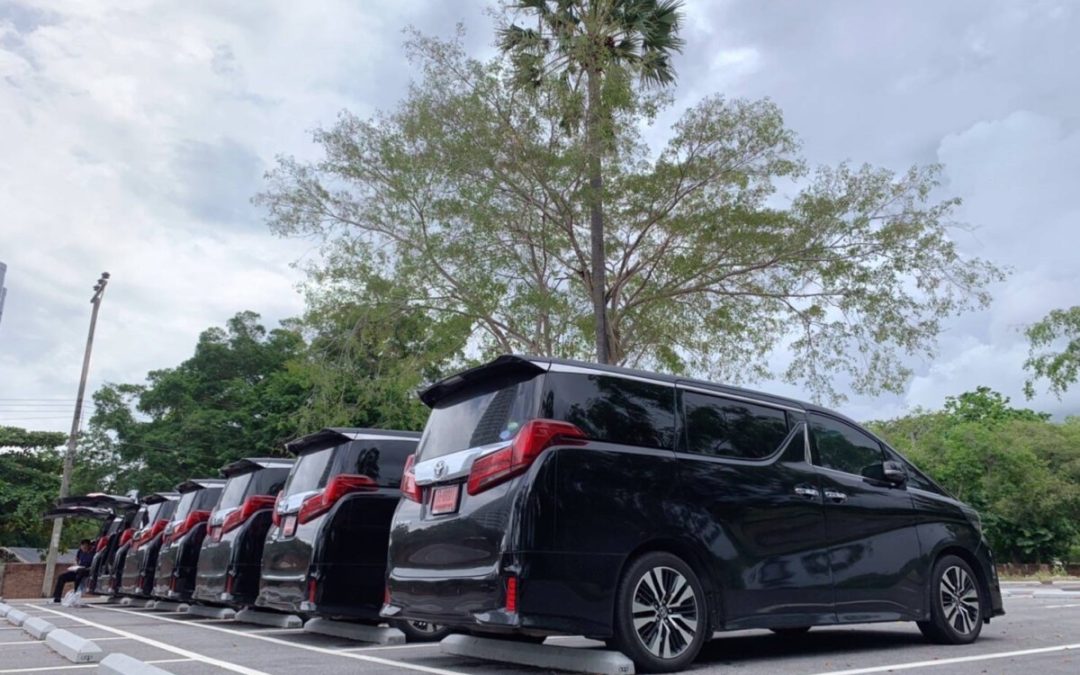
บริการรถตู้เช่าควรมีอะไรบ้าง: เพิ่มประสิทธิภาพและความพึงพอใจของลูกค้า
การเลือกใช้บริการรถตู้เช่าเป็นทางเลือกที่สะดวกสบายสำหรับการเดินทาง ทั้งในเรื่องการท่องเที่ยว การจัดงาน หรือการเดินทางเพื่อธุรกิจ อย่างไรก็ตาม การให้บริการที่มีคุณภาพสามารถทำให้
ลูกค้ารู้สึกพึงพอใจมากยิ่งขึ้น นี่คือบริการที่ควรมีในบริษัทเช่ารถตู้

การให้เช่ารถตู้หลากหลายประเภท
บริษัทควรมีรถตู้ให้เลือกหลากหลายรุ่น เพื่อให้ลูกค้าสามารถเลือกได้ตามความต้องการ ไม่ว่าจะเป็นรถตู้ขนาดเล็กสำหรับกลุ่มน้อยหรือรถตู้ขนาดใหญ่สำหรับกลุ่มใหญ่
คนขับมืออาชีพ
บริการรถตู้เช่าควรมีคนขับที่มีประสบการณ์และความชำนาญในการขับรถ รวมถึงความรู้เกี่ยวกับเส้นทางและกฎจราจร เพื่อให้การเดินทางปลอดภัยและราบรื่น
ประกันภัยและความปลอดภัย
การมีประกันภัยที่ครอบคลุมช่วยให้ลูกค้ารู้สึกมั่นใจในการใช้บริการ นอกจากนี้ ควรมีมาตรการด้านความปลอดภัย เช่น การตรวจสอบสภาพรถก่อนให้บริการ เช่ารถตู้พร้อมคนขับ
บริการเสริม
การมีบริการเสริม เช่น น้ำดื่ม, ผ้าเย็น, หรืออุปกรณ์อำนวยความสะดวกต่างๆ สามารถเพิ่มความสะดวกสบายให้กับลูกค้าในระหว่างการเดินทาง
บริการลูกค้าสัมพันธ์
การมีทีมงานบริการลูกค้าที่พร้อมให้คำปรึกษาและตอบคำถามตลอดเวลา ช่วยให้ลูกค้ารู้สึกได้รับการดูแลและเอาใจใส่
ระบบจองออนไลน์
บริการจองรถตู้ออนไลน์สามารถช่วยให้ลูกค้าสะดวกในการเลือกวัน เวลา และรุ่นของรถ รวมถึงการชำระเงินที่ง่ายและรวดเร็ว
การติดตามสถานะการเดินทาง
การให้บริการติดตามสถานะการเดินทางผ่าน GPS หรือแอปพลิเคชัน สามารถช่วยให้ลูกค้ารู้ถึงตำแหน่งและเวลาที่รถจะมาถึงได้อย่างชัดเจน
ความยืดหยุ่นในการเปลี่ยนแปลงแผน
บริษัทควรมีนโยบายที่ยืดหยุ่นในการเปลี่ยนแปลงหรือยกเลิกการจอง เพื่อให้ลูกค้าสามารถปรับแผนการเดินทางได้ตามความต้องการ
สรุป
การมีบริการเช่ารถตู้พร้อมคนขับที่หลากหลายและมีคุณภาพสามารถเพิ่มความพึงพอใจให้กับลูกค้าในการใช้บริการรถตู้เช่า การให้ความสำคัญกับรายละเอียดเล็กน้อยสามารถทำให้ลูกค้ารู้สึกประทับใจและเลือกใช้บริการในอนาคตอีกครั้ง!
ให้บริการ เช่ารถตู้พร้อมคนขับ เช่าอัลพาร์ดพร้อมคนขับ มืออาชีพ
บริการรถตู้เช่า มาตรฐานสากล จดทะเบียนถูกต้องตามกฏหมาย ด้วยประสบการยาวนานกว่า 15 ปี
ศูนย์รวมบริการรถเช่าหลากหลายประเภท ไปจนถึงระดับ VIP

by Y | Oct 21, 2024 | ข่าวสารเว็บไซต์, ข่าวโปรโมชั่น, ออนไลน์น่ารู้, เดินทางท่องเที่ยว, แนะนำสินค้าและบริการ
พิพิธภัณฑ์ที่น่าเที่ยวในปากีสถาน: การสำรวจประวัติศาสตร์และวัฒนธรรม
ปากีสถานเป็นประเทศที่มีประวัติศาสตร์และวัฒนธรรมที่หลากหลาย พิพิธภัณฑ์ในปากีสถานไม่เพียงแต่เก็บรักษาโบราณวัตถุและศิลปะที่มีค่า แต่ยังช่วยให้เราเข้าใจถึงวิวัฒนาการทางประวัติศาสตร์และวัฒนธรรมของภูมิภาคนี้ได้อย่างลึกซึ้ง นี่คือบางพิพิธภัณฑ์ที่น่าสนใจที่คุณไม่ควรพลาดเมื่อเยือนปากีสถาน

พิพิธภัณฑ์แห่งชาติปากีสถาน (National Museum of Pakistan)
ตั้งอยู่ในเมือง Karachi, พิพิธภัณฑ์แห่งชาติปากีสถานเป็นสถานที่ที่สำคัญในการเรียนรู้เกี่ยวกับประวัติศาสตร์และวัฒนธรรมของประเทศ พิพิธภัณฑ์นี้มีการจัดแสดงโบราณวัตถุจากอารยธรรมลุ่มแม่น้ำสินธุ (Indus Valley Civilization) เช่น รูปปั้นชายและหญิงโบราณ รวมถึงศิลปะและวัตถุจากยุคอาณาจักรมุสลิมและยุคอาณานิคมเที่ยวปากีสถานราคาถูก
พิพิธภัณฑ์ Lahore (Lahore Museum)
พิพิธภัณฑ์ Lahore ตั้งอยู่ในเมือง Lahore และเป็นหนึ่งในพิพิธภัณฑ์ที่มีความสำคัญที่สุดในปากีสถาน พิพิธภัณฑ์นี้มีการจัดแสดงโบราณวัตถุจากอารยธรรมลุ่มแม่น้ำสินธุ, ศิลปะของอาณาจักรกรุงทรอย (Gandhara), และศิลปะของยุคมุสลิม รวมถึงการจัดแสดงงานศิลปะและเครื่องดนตรีโบราณที่สะท้อนถึงความรุ่งเรืองทางวัฒนธรรมของภูมิภาคนี้
พิพิธภัณฑ์ Taxila (Taxila Museum)
พิพิธภัณฑ์ Taxila ตั้งอยู่ในเมือง Taxila และเป็นสถานที่ที่สำคัญในการศึกษาเกี่ยวกับอารยธรรมกรุงทรอย (Gandhara) ที่นี่คุณจะพบกับการจัดแสดงศิลปะและโบราณวัตถุที่เกี่ยวข้องกับศาสนาพุทธ รวมถึงรูปปั้นและภาพแกะสลักที่มีคุณค่าทางประวัติศาสตร์และศิลปะเที่ยวปากีสถานราคาถูก
พิพิธภัณฑ์ Quaid-e-Azam (Quaid-e-Azam Museum)
พิพิธภัณฑ์ Quaid-e-Azam ตั้งอยู่ในเมือง Karachi และเป็นที่ตั้งของบ้านพักของ Muhammad Ali Jinnah ผู้ก่อตั้งประเทศปากีสถาน พิพิธภัณฑ์นี้จัดแสดงเกี่ยวกับชีวิตและการทำงานของ Jinnah รวมถึงเอกสารและสิ่งของส่วนตัวของเขาที่มีความสำคัญต่อประวัติศาสตร์ของประเทศ
พิพิธภัณฑ์ Peshawar (Peshawar Museum)
พิพิธภัณฑ์ Peshawar ตั้งอยู่ในเมือง Peshawar และเป็นสถานที่ที่สำคัญในการศึกษาประวัติศาสตร์ของอาณาจักร Gandhara รวมถึงศิลปะของภูมิภาคนี้ พิพิธภัณฑ์นี้มีการจัดแสดงพระพุทธรูปและโบราณวัตถุที่เกี่ยวข้องกับศาสนาพุทธและวัฒนธรรมท้องถิ่น
พิพิธภัณฑ์ Swat (Swat Museum)
พิพิธภัณฑ์ Swat ตั้งอยู่ในเมือง Mingora ของหุบเขา Swat พิพิธภัณฑ์นี้จัดแสดงโบราณวัตถุที่พบในพื้นที่ เช่น รูปปั้นศิลปะของอาณาจักร Gandhara และสิ่งของที่เกี่ยวข้องกับศาสนาพุทธ รวมถึงการจัดแสดงชีวิตและวัฒนธรรมของชุมชนท้องถิ่นในอดีต
สรุป
การเยี่ยมชมพิพิธภัณฑ์ในปากีสถานจะเปิดโอกาสให้คุณได้เรียนรู้เกี่ยวกับประวัติศาสตร์เที่ยวปากีสถานราคาถูก, วัฒนธรรม, และศิลปะที่หลากหลายของประเทศ พิพิธภัณฑ์เหล่านี้ไม่เพียงแต่เก็บรักษามรดกทางประวัติศาสตร์ของปากีสถาน แต่ยังช่วยให้เราเข้าใจและชื่นชมความงดงามและความหลากหลายของภูมิภาคนี้ได้อย่างลึกซึ้ง
หากคุณกำลังมองหาจุดหมายปลายทางสำหรับการพักผ่อนในฤดูหนาว ปากีสถานอาจเป็นตัวเลือกที่คุณไม่ควรมองข้าม แต่ละสถานที่เหล่านี้มีความงดงามและความเป็นเอกลักษณ์ที่ไม่เหมือนกัน ซึ่งจะทำให้การเดินทางไปยังที่เหล่านี้เป็นประสบการณ์ที่น่าจดจำ หากท่านผู้อ่านอยากเที่ยวปากีสถานราคาถูก 
ราคาถูก ปากีสถานเป็นประเทศที่มีการผสมผสานระหว่างวัฒนธรรมที่หลากหลาย ธรรมชาติที่งดงาม หลากหลายทางภูมิศาสตร์ เทือกเขาที่สูงตระหง่าน ไปจนถึงหุบเขาและทะเลทราย ประวัติศาสตร์และวัฒนธรรมที่ลึกซึ้ง รวมถึงแหล่งท่องเที่ยวที่มีชื่อเสียง เราเชื่อว่าการเดินทางไม่ใช่แค่การเคลื่อนที่จากที่หนึ่งไปยังอีกที่หนึ่ง แต่เป็นการสร้างประสบการณ์ใหม่ๆ ที่ทำให้คุณเติบโต เปิดมุมมองใหม่ๆ และทำให้ชีวิตมีความหมายมากยิ่งขึ้น
 เบอร์โทรติดต่อ : 089 8072382
Facebook : Dream Destination Tour and Travel
Email.com : dreamdestination218@gmail.com

by Y | Oct 21, 2024 | ข่าวสารเว็บไซต์, ข่าวโปรโมชั่น, สุขภาพ, ออนไลน์น่ารู้, แนะนำสินค้าและบริการ
ส่วนประกอบที่ปลอดภัยครีมจากโรงงาน การเลือกครีมจากโรงงานเป็นสิ่งที่สำคัญ โดยเฉพาะอย่างยิ่งเมื่อเราต้องพิจารณาส่วนประกอบที่ปลอดภัย เพื่อปกป้องสุขภาพผิวและลดความเสี่ยงจากการแพ้หรือการระคายเคือง
มาดูส่วนประกอบที่ควรเลือกและหลีกเลี่ยง
ส่วนประกอบที่ปลอดภัย สารสกัดจากธรรมชาติ
สารสกัดจากพืช เช่น ว่านหางจระเข้, ชาเขียว, และดอกคาโมมายล์ มีคุณสมบัติในการบำรุงและช่วยลดการอักเสบ
วิตามินและแร่ธาตุ
วิตามิน C ช่วยปรับสีผิวให้กระจ่างใสและกระตุ้นการสร้างคอลลาเจน
วิตามิน E ป้องกันการเกิดอนุมูลอิสระและบำรุงผิวให้ชุ่มชื้น
เซลเลเนียม ช่วยปกป้องผิวจากการเสื่อมสภาพ
กรดไฮยาลูโรนิก

เป็นสารธรรมชาติที่มีคุณสมบัติในการกักเก็บความชุ่มชื้น ทำให้ผิวดูอิ่มน้ำและเรียบเนียน
เซราไมด์
ช่วยสร้างเกราะป้องกันผิวและกักเก็บความชุ่มชื้น ลดการสูญเสียน้ำในผิว
เปปไทด์
ช่วยกระตุ้นการสร้างคอลลาเจนและฟื้นฟูผิวที่เสื่อมสภาพ
ส่วนประกอบที่ควรหลีกเลี่ยง
พาราเบน
สารกันเสียที่อาจทำให้เกิดการแพ้หรือการระคายเคือง ควรเลือกผลิตภัณฑ์ที่ระบุว่า “ปราศจากพาราเบน”
ซัลเฟต
สารทำความสะอาดที่อาจทำให้ผิวแห้งและระคายเคือง โดยเฉพาะสำหรับผิวแพ้ง่าย
น้ำหอมและสีสังเคราะห์
อาจก่อให้เกิดอาการแพ้หรือระคายเคือง ควรเลือกผลิตภัณฑ์ที่ไม่มีน้ำหอม
สารเคมีอันตราย
เช่น ฟอร์มาลดีไฮด์, ตะกั่ว และสารอื่น ๆ ที่มีความเสี่ยงต่อสุขภาพ
วิธีการเลือกผลิตภัณฑ์ที่ปลอดภัย
อ่านฉลาก: ตรวจสอบส่วนประกอบอย่างละเอียดและเลือกผลิตภัณฑ์ที่มีส่วนประกอบจากธรรมชาติ
ค้นคว้าแบรนด์: เลือกแบรนด์ที่มีชื่อเสียงและมีการรับรองจากผู้เชี่ยวชาญ
ทดสอบก่อนใช้: ควรทดสอบผลิตภัณฑ์ที่บริเวณผิวเล็กน้อยเพื่อเช็กการแพ้ก่อนใช้งานจริง
สรุป
การเลือกครีมจากโรงงานที่มีส่วนประกอบปลอดภัยเป็นสิ่งสำคัญที่ช่วยปกป้องสุขภาพผิวและลดความเสี่ยงจากการแพ้ ควรให้ความสำคัญกับการตรวจสอบส่วนประกอบและเลือกผลิตภัณฑ์ที่มีคุณภาพ
Cn corporation Co.,LTD. รับผลิตเครื่องสำอาง โดย โรงงานผลิตเครื่องสำอาง ที่ทันสมัย ผลิตตามมาตรฐาน ของกระทรวงสาธารณสุข มีสูตรมาตรฐานให้เลือกหลากหลายสูตร
อาทิ ผลิตภัณฑ์บำรุงผิวหน้ากระจ่างใส ลดเลือนฝ้ากระ, ผลิตภัณฑ์ทำความสะอาดผิว, ผลิตภัณฑ์ลดเลือนริ้วรอย, ผลิตภัณฑ์ลดการแพ้ และการเกิดสิว, ผลิตภัณฑ์กันแดด, ผลิตภัณฑ์สบู่สมุนไพร, ผลิตภัณฑ์สปาแคร์,
ผลิตภัณฑ์ตกแต่งริมฝีปาก ลิปแมท ลิปมัน ลิปกรอส ลิปบาล์ม นอกจากนั้นเรายังมีบริการขึ้นทะเบียนผลิตภัณฑ์
Facebookpage : Cn corporation Lab รับผลิตเครื่องสำอาง ครบวงจร
อีเมล : info@cncorporation.co.th
เบอร์โทรศัพท์ : 062-949-8888